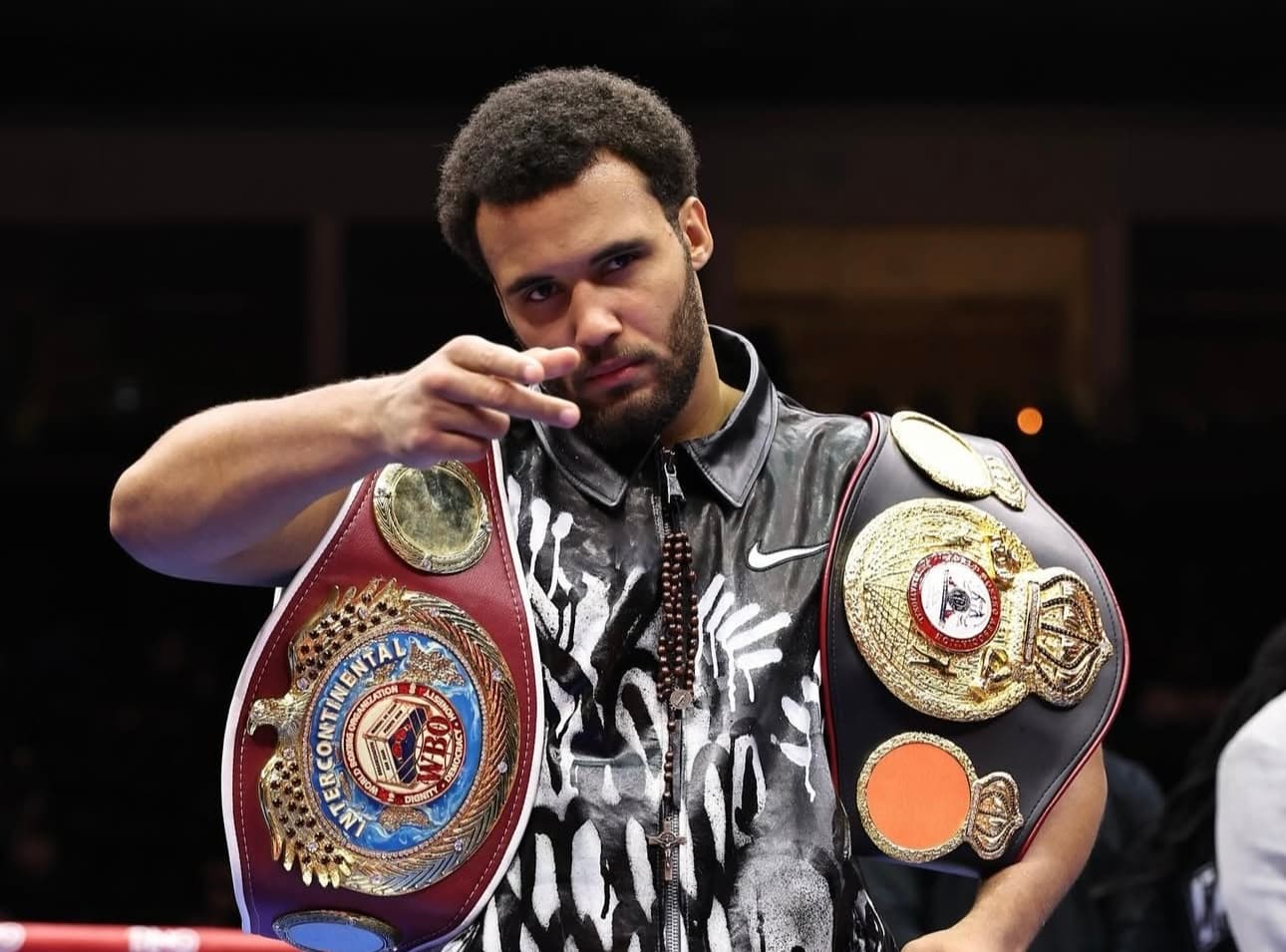
On March 28, 2026, Moses Itauma delivered the expected result against Franklin Jr in England, in a fight that mainly confirmed what many observers already saw in him: major potential, but also the need to stay measured before pushing the hype too far. At just 21 years old, Itauma remains one of the most intriguing prospects in the heavyweight division. His size stands out, of course, but that is not the most important part. What really catches the eye is his hand speed. For a heavyweight of that frame, seeing combinations come that quickly, reactions stay that clean and upper-body movement look that fluid is naturally striking. As a southpaw, he already appears technically well built: jab, lead hook, back-hand variation, level changes, body work and head work all connect with real coherence. Against Franklin Jr, that technical edge showed without much resistance. Itauma controlled the fight, imposed his rhythm and finished matters with a clean knockout after already putting his opponent down earlier in the contest. On that front, there is very little to criticize: the performance was serious, tidy and fully under control.
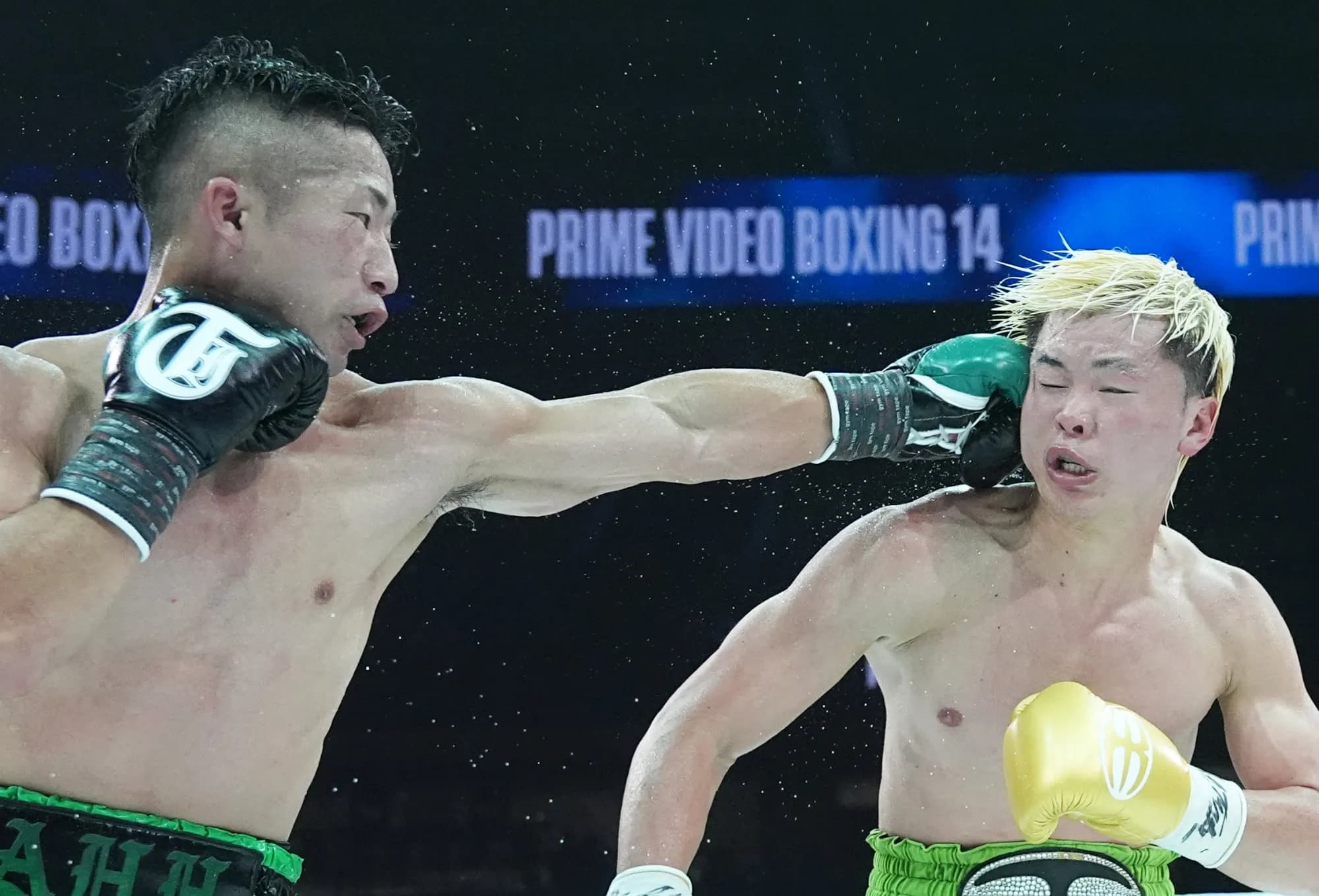
_Scheduled for May 2, 2026, the fight between Takuma Inoue and Kazuto Ioka already looks like one of the year's standout events in Japan. It may not be the most heavily promoted clash outside the country, but it is a major matchup between two names that truly matter in contemporary Japanese boxing._ What makes this fight especially compelling is Takuma Inoue's position going into it. After regaining a world title with his impressive win over Tenshin Nasukawa, he could easily have chosen a safer first defense, a more cautious and managerial kind of move. Many fighters in that situation would have looked to enjoy the belt a little, secure one or two favorable outings and settle gradually into a new reign. But that clearly is not how the Inoue family operates. Their logic seems to be simple: if a serious challenge is there, you take it. That decision carries even more weight because Takuma Inoue's career had recently seemed to be entering a more uncertain phase. After his loss to Seiya Tsutsumi, it was easy to read him as a fighter drifting backward, a champion on the verge of sliding quietly into the second tier. His win over Nasukawa completely changed that reading. It reminded people that beyond the famous surname, Takuma Inoue is still a very high-level boxer, capable of imposing disciplined, rigorous and efficient boxing against a more spectacular opponent who was less stable in his tactical answers.
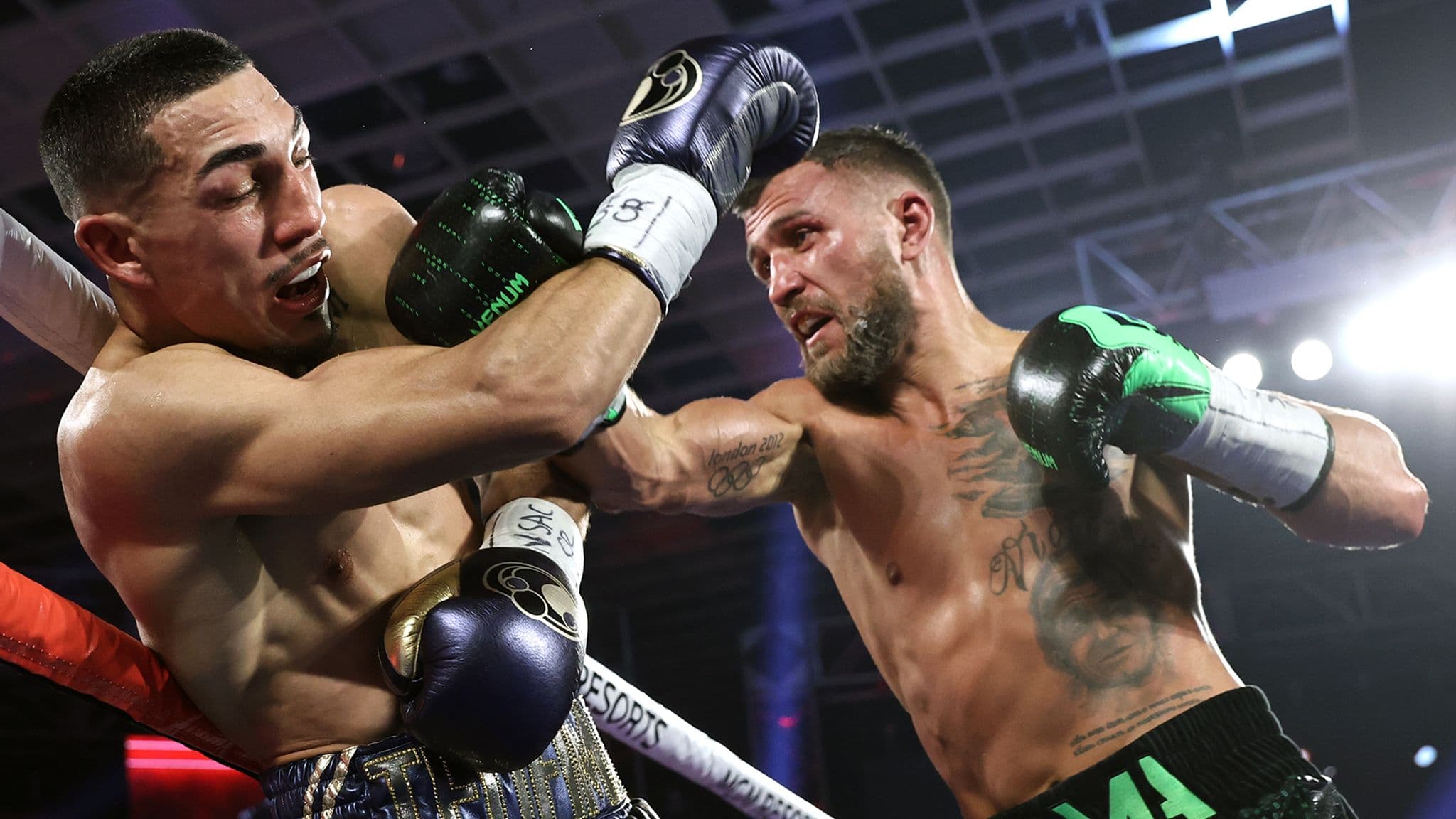
Some defeats are easy to explain. A boxer is too old, too small, too worn down, or simply ran into the better man. Then there are the more troubling fights, the ones that leave a strange gap between the official result and what actually unfolded, but also between the fighter people expected and the one who truly showed up in the ring. Vasiliy Lomachenko's loss to Teofimo Lopez in October 2020 belongs in that category. On paper, the verdict is clear. Lopez won by unanimous decision, with scores of 119-109, 117-111 and 116-112. Officially, it was the biggest victory of his career, the night he added Lomachenko's belts to his own and became the unified lightweight champion. But those wide cards never really settled the debate. If anything, they deepened it, because the fight left the odd feeling that it had first been lost by Lomachenko before it had been fully won by Lopez. The context matters. Lomachenko entered the fight as one of the best boxers in the world, firmly installed among the pound-for-pound elite, already holding three belts and still chasing total control of the division. Across from him, Lopez was rising fast. His knockout of Richard Commey had changed his profile overnight, and his physical package posed a real question. Bigger, stronger, more explosive, he was an obvious danger. Even so, very few observers imagined Lomachenko would spend half the fight looking like a man unwilling to step into his own moment.
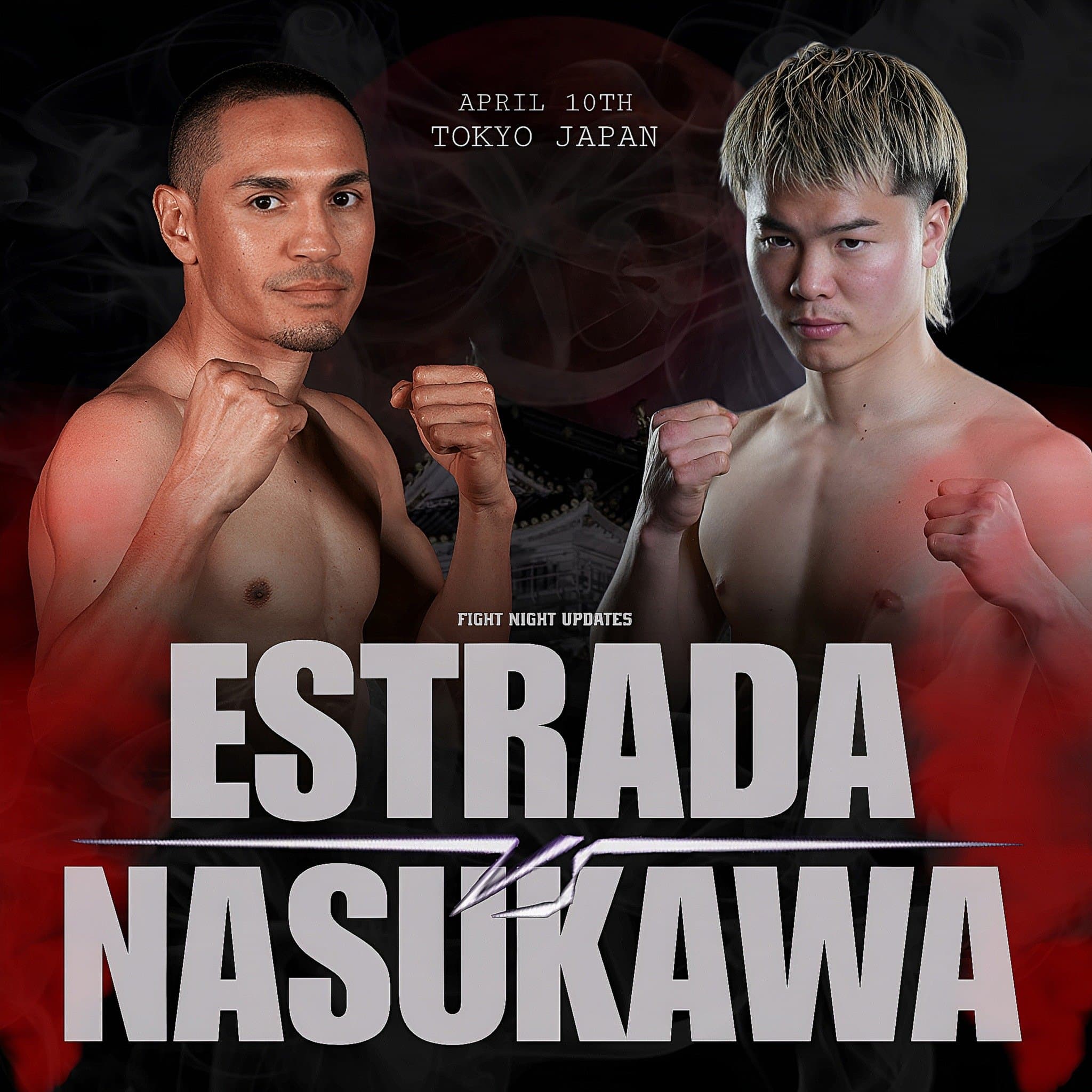
Officially set for April 11, 2026 at Tokyo's Ryogoku Kokugikan, the fight between Tenshin Nasukawa and Juan Francisco Estrada already stands out as one of the most intriguing bantamweight events of the spring. For the Japanese fighter, the matchup feels like an ambitious shortcut. For the public, it raises a simple question: is Nasukawa taking the right risk, or just a risk too early? The announcement came through Mr. Honda, Teiken Promotion and the Teiken Gym environment, the natural setting for Tenshin Nasukawa's development since his transition to professional boxing. Across from him, this is not an intermediate name chosen for reassurance, but Juan Francisco Estrada, a major Mexican champion, a veteran of the highest level and a fighter defined in part by his great battles with Roman "Chocolatito" Gonzalez. The choice is bold, almost brutal in its timing, because it comes immediately after Nasukawa's loss to Takuma Inoue. Instead of rebuilding through a safer comeback fight, the Japanese star is jumping straight into a WBC bantamweight eliminator against an opponent whose experience remains, even now, a major weapon. That is why this fight is so compelling. Before the setback against Takuma Inoue, Nasukawa looked like the prodigy who might complete the transition from kickboxing to boxing almost flawlessly. His speed, timing and natural talent made that belief easy to understand. But that world-title attempt also broke part of the illusion. Against a boxer who was solid in his fundamentals, steady in his reading and clean in his decisions, Nasukawa looked more limited than expected. He was unable to impose the visual and tactical instability that had made his best performances so interesting.
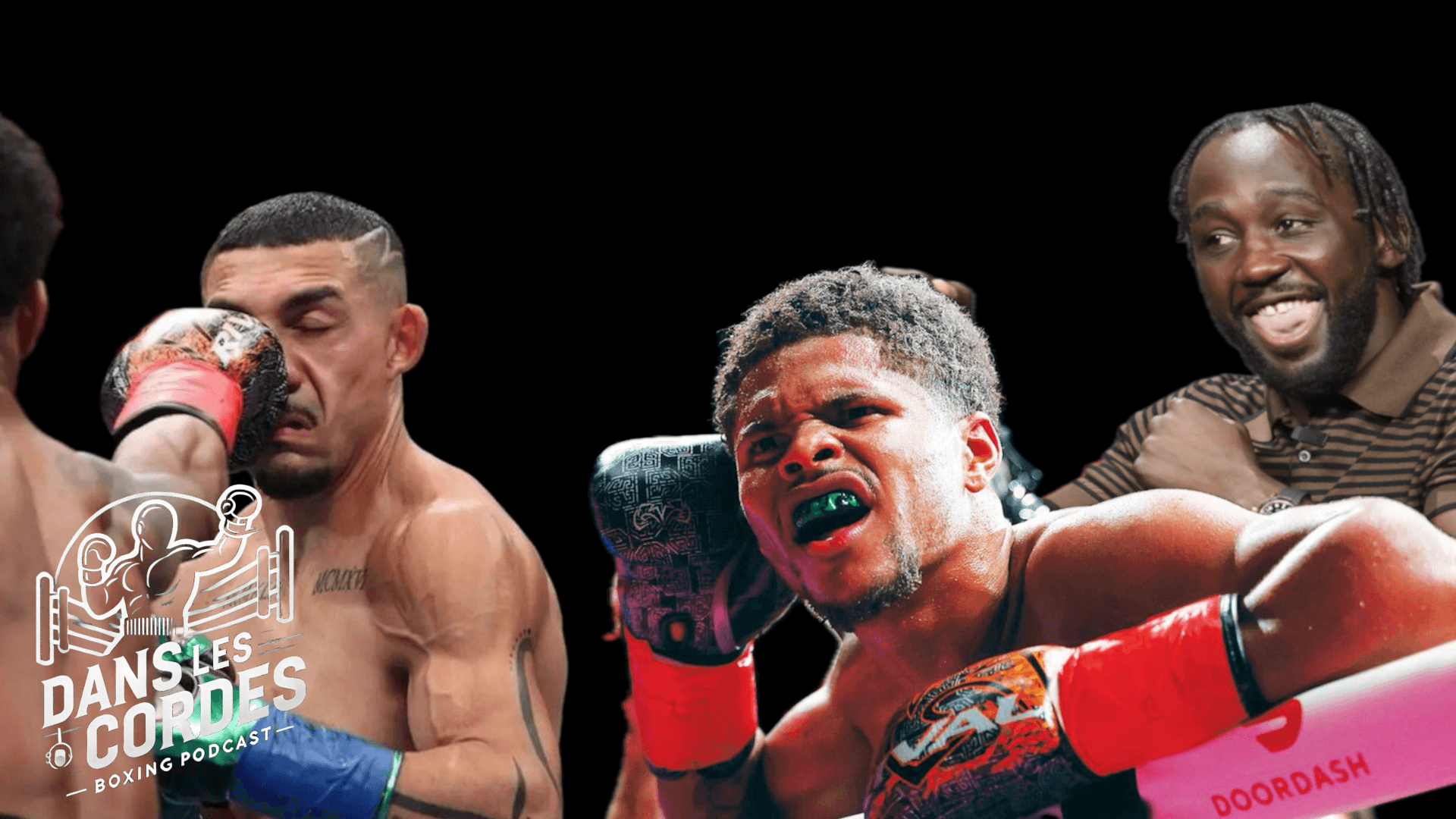
Early 2026 gives the impression of emptiness in boxing: few major fights, several matchups without real sporting stakes, and a growing sense of distance between the prestige of the names and the actual quality of the spectacle. The start of 2026 is not just light on big fights. More than that, it gives the impression of a sport struggling to produce occasions worthy of its names. The prevailing feeling is not that of a season slowly building, but of a sport suspended in a kind of drift, caught between events promoted as major and fights that leave very little behind once they are over. That impression is even stronger because several headline names dominate the conversation without always facing the kind of opposition that would give real weight to their careers. The fight between Shakur Stevenson and Teofimo Lopez summed up that discomfort. Sold as a clash between two important figures on the circuit, it promised at least a clear sporting tension. In the end, it delivered only a highly predictable demonstration. Stevenson controlled the bout through his speed, his timing and his usual reading of exchanges. Lopez, meanwhile, looked too messy, too readable, and unable to impose structure or adjust his approach. Against a fighter like Stevenson, who lives off the opponent's mistakes and counterpunching opportunities, discipline, precision and a serious game plan were required. None of that truly appeared.