
By mid-March, our pound-for-pound rankings continue to reflect a clear principle: hierarchy is shaped not only by talent and resume, but also by competitive consistency. Within that framework, Naoya Inoue remains the clear number one. His profile is elite across the key indicators, from opposition quality to overall efficiency, while his record remains unbeaten. The decisive factor, however, may be his activity. Four fights in 2025, with one already scheduled in 2026 against the number two fighter in the P4P rankings, no less, all in world-title circumstances: at this stage, no other fighter combines excellence and frequency quite as convincingly. Nakatani's rise is surprising, but defensible
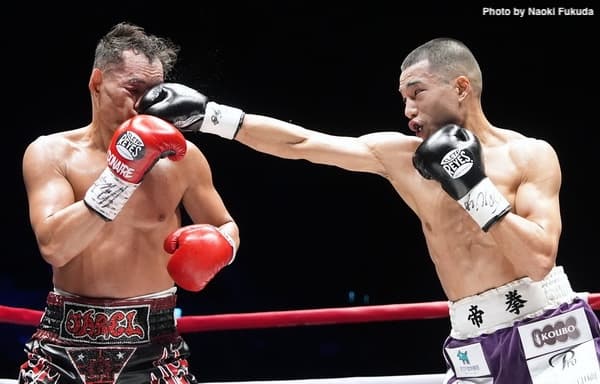
A clear win, but not a final answer Masuda's eighth-round stoppage of Nonito Donaire reads as a clear result. The Japanese fighter eventually broke the bout open after scoring a knockdown in the seventh, against an opponent who had also dealt with a cut during the fight. On paper, the outcome is strong and gives Masuda an important win over a major name. Still, the performance deserves a more measured reading. For extended stretches, Donaire managed to press forward, force exchanges and make Masuda work in a less comfortable rhythm. The southpaw-versus-orthodox matchup created awkward angles and a somewhat uneven tempo throughout. Within that framework, Masuda showed sound fundamentals, composure and a good sense of timing once he chose to increase the pace.

Shakur Stevenson remains an unusual case. For years, he has been presented as one of the future stars of American boxing. The amateur pedigree, the natural talent, the push from Top Rank: everything pointed in that direction. And yet, despite obvious qualities and another high-level win over Teofimo Lopez, something still has not fully clicked. Clear talent, limited connection From a purely sporting standpoint, there is very little to hold against Stevenson. He is quick, precise, technically superior to most of the fighters he faces, and he knows how to control a bout. Since turning professional, he has often given the impression of being in command.
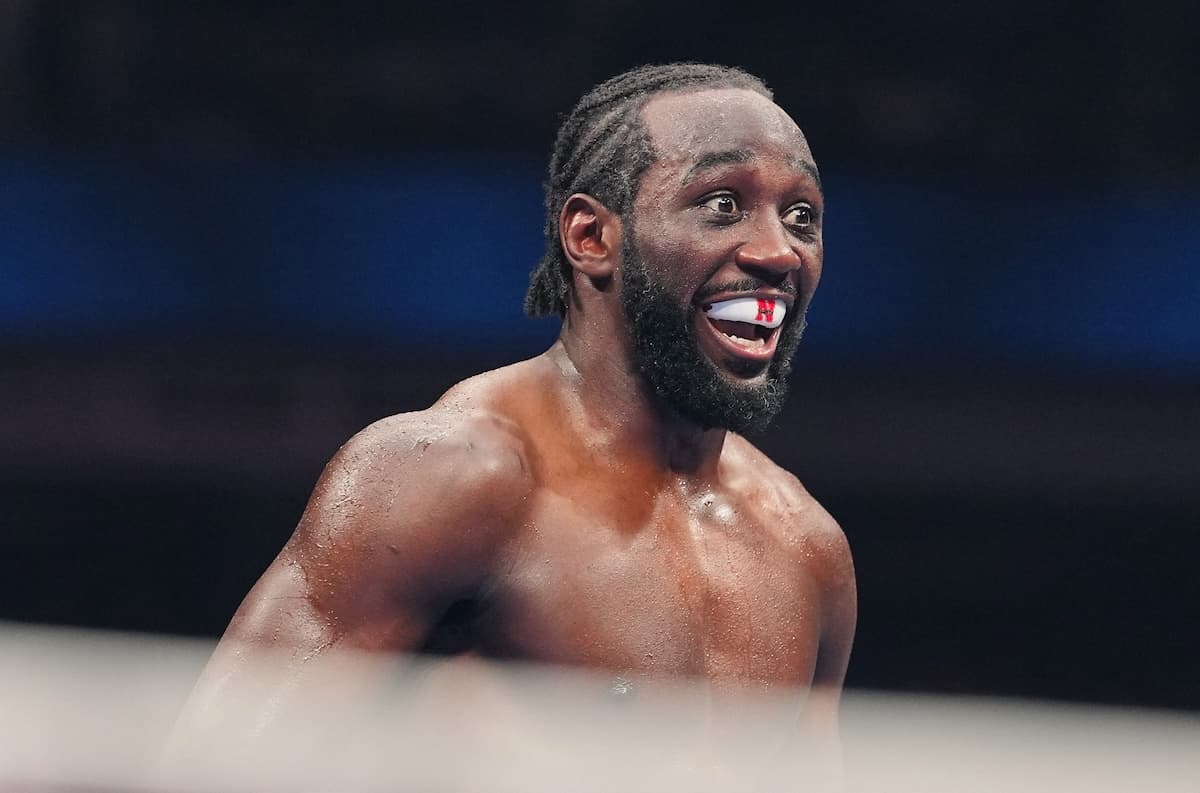
Terence Crawford may have had everything required to enter boxing legend without debate, except for the career that should have carried him there. Terence Crawford is a strange case, almost a frustrating one. When you watch him fight, everything seems to fit: the intelligence, the calm, the precision, the ability to switch stance, to understand very quickly what an opponent wants to do and then take it away from him. He has the talent of a fighter who should leave behind an unquestionable career. And yet, once you look closely at his path, doubt begins to creep in. Not about his level, but about what his resume really says. The more you go back through it, the more one idea imposes itself: Crawford may have missed the career that would have made him an undisputed legend. The beginning, however, holds up perfectly well. At lightweight, and especially at junior welterweight, Crawford did what a great champion is supposed to do. He went on the road to beat Ricky Burns, dominated very good names like Viktor Postol, Felix Diaz and John Molina Jr., then unified the division against Julius Indongo. The exact depth of that division can always be debated, but the logic of his progression cannot. At that point, his trajectory was clean, strong, almost exemplary. The problem is not there. It truly begins when Crawford arrives at welterweight.